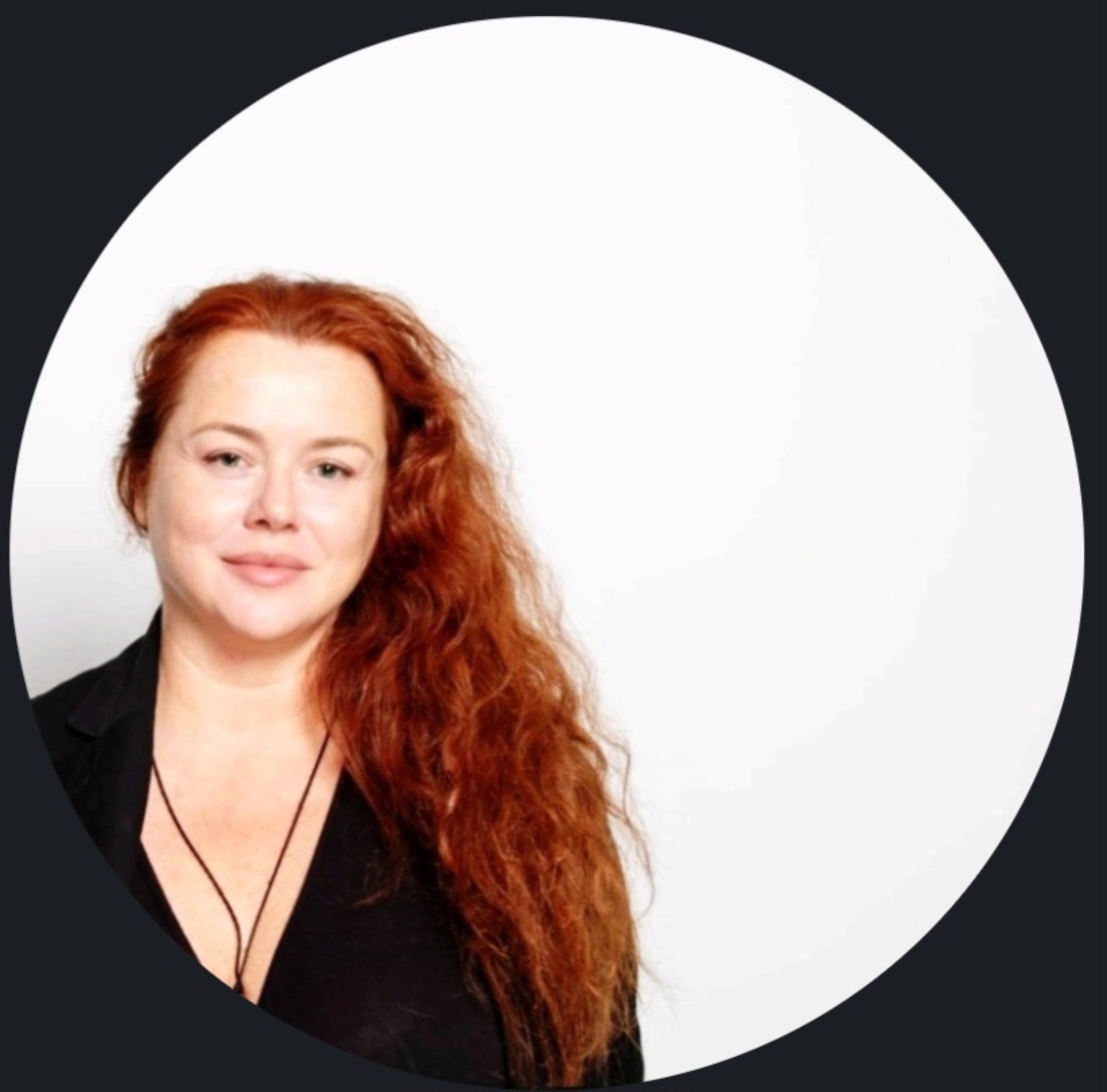
Our leadership
Sinéad Treviño
Why the Idaho Wellness Project Had to Continue
When we began the Idaho Wellness Project Fundraiser, we carried so much hope. We were incredibly proud of what our loved ones were trying to achieve. Rehabilitation is supposed to be about creating genuine opportunities for change, and we wanted to stand beside them, share their vision, and help make it possible.
The men had been given approval to purchase gym equipment as part of S.H.I.F.T. They understood that physical and emotional wellbeing are deeply connected. When both are supported and brought into alignment, meaningful and lasting change really becomes possible.
They believed these opportunities should be available to everyone who genuinely wanted to transform their life, not only to those living in the limited areas where most programming appeared to be concentrated. They wanted to create an inclusive space where men could learn together, support one another, take responsibility, and demonstrate their commitment to change.
For a time, everything looked promising. Then the effort was halted.
We did not fully understand why, but I knew in that moment that their work could not simply be allowed to disappear. What they had created deserved to be recognized beyond the prison walls. It needed to continue, not only for the men, but also for the families holding onto hope and preparing for the day their loved ones return home.
How do we want people to return home? Do we want them to have a genuine opportunity to succeed, or do we want a revolving door that leads them back into the same system?
That question became part of the reason I created the Idaho Wellness Project. This is an educational nonprofit shaped by people directly impacted by incarceration, created for people navigating its realities, and strengthened by evidence-informed education and learning from outside the system.
Education, Experience and Leadership
I am trained in social work through University College Cork in Ireland and have more than a decade of experience supporting individuals, families, and communities affected by trauma, addiction, homelessness, mental health challenges, exclusion, and complex systems.
My education taught me to look beyond a person’s immediate circumstances and understand the experiences, relationships, environments, and systems that have shaped their life. My work has strengthened my belief that people are more than the most difficult chapter of their story. Accountability and compassion must work together if change is going to happen.
As the Idaho Wellness Project developed, I continued studying trauma, adverse childhood experiences, resilience, nervous system regulation, desistance, adult education, rehabilitation, reentry, and community development. This learning does not replace the knowledge of people with lived experience. It helps us place evidence, structure, and educational support around what they already understand from living through the system themselves.
The Idaho Wellness Project brings these different forms of knowledge together. Lived experience, family experience, professional practice, education, research, and community leadership all have a place in this work.
It exists to carry the original hope behind S.H.I.F.T. forward, to recognize people’s capacity for change, support families throughout the journey, and create meaningful educational pathways through incarceration, reentry, and lifelong learning.
Through the Idaho Wellness Project, I have also developed Writing for Change and Creative Work Worth Sharing as educational pathways supporting wellness, reflection, connection, and personal growth. These spaces give justice-impacted writers and artists a platform through which their work can be shared, seen, and valued beyond the walls, while creating opportunities for readers to encounter lives and perspectives beyond their own. Where possible, they may also help contributors connect with professional publishers, literary representatives, arts organizations, and others who can support the future development of their work. At their heart is the belief that meaningful connection is itself a form of wellness: it can lessen isolation, deepen understanding, restore belonging, and remind people that their voices and creative work still hold value. Everything is shared with the contributor’s knowledge and consent, grounded in dignity, and guided by the principle that each creator retains ownership and full rights to their work.